
Craft, Climate and Context in Copper Door Design: The 2026 Entrance Philosophy by Aixnod
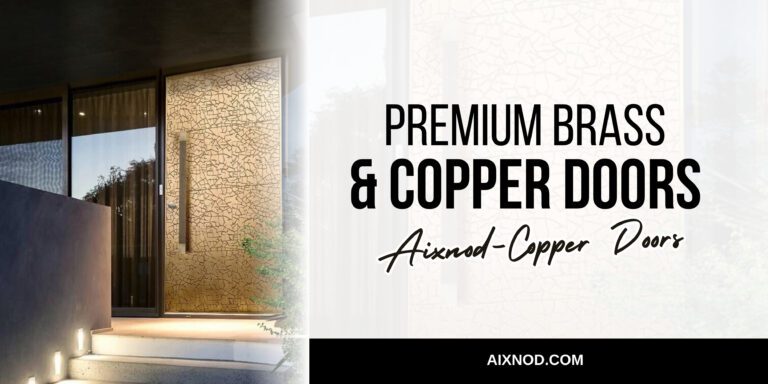
In modern architecture, the entrance of a home is no longer treated as a simple functional element. Instead, it has become a defining architectural feature that communicates style, craftsmanship, and the personality of the space. In 2026, designers and homeowners are increasingly exploring craft climate and context in copper door design to create entrances that balance beauty, performance, and environmental responsiveness.
Copper main doors are gaining recognition not only for their visual richness but also for their durability, adaptability, and timeless presence. Through thoughtful design and handcrafted metalwork, brands like Aixnod are helping transform entrances into architectural statements that combine art, engineering, and long-term resilience.
For luxury homes and architectural projects, the entrance door now acts as a first impression, protective barrier, and sculptural design element all at once.
The Rise of Copper in Modern Entrance Design
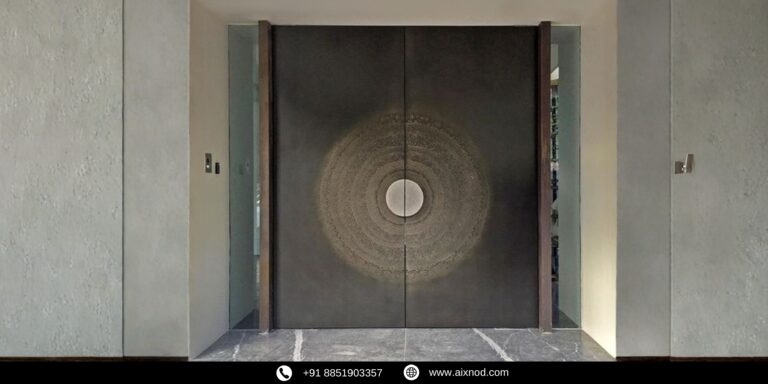
Across contemporary architecture and luxury residences, warm metals are increasingly appearing in entrance design concepts. Materials like copper, brass, and bronze offer a depth of texture and reflection that painted or laminated surfaces cannot replicate.
Architects are incorporating copper main doors in various forms including:
Full-height statement entrance doors
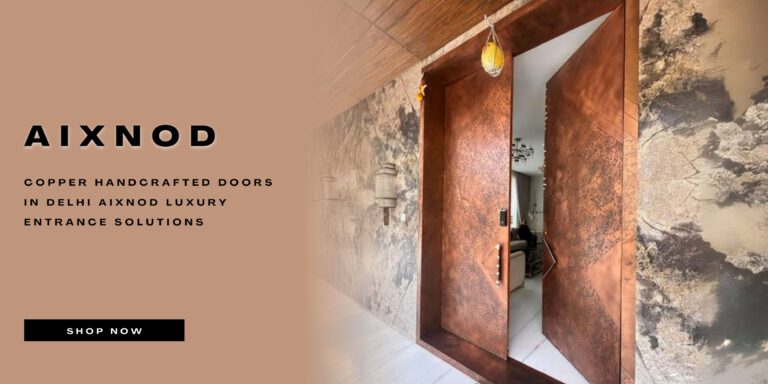
Pivot door systems for large villas
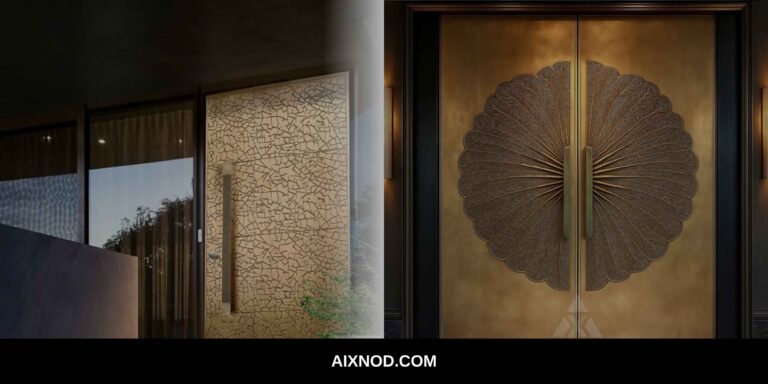
Double doors with metal inlays
Copper panels combined with stone or wood facades
Copper’s ability to develop a natural patina over time adds another layer of appeal. As the material ages, it evolves in tone and texture, giving each door a unique identity while enhancing its durability.
Aixnod has been working with handcrafted copper doors for years, combining traditional metalworking techniques with modern engineering to create luxury entrance doors that are both visually striking and structurally reliable.
By pairing copper skins with reinforced internal structures and precision framing, these doors deliver both architectural elegance and long-term stability.
Craftsmanship Behind Handcrafted Copper Doors
One of the defining elements of high-quality copper doors is the level of craftsmanship involved in their creation. Unlike mass-produced doors, handcrafted copper doors require skilled artisans who understand both the artistic and technical properties of metal.
At Aixnod, the creation of a copper door involves multiple stages of precision craftsmanship, including:
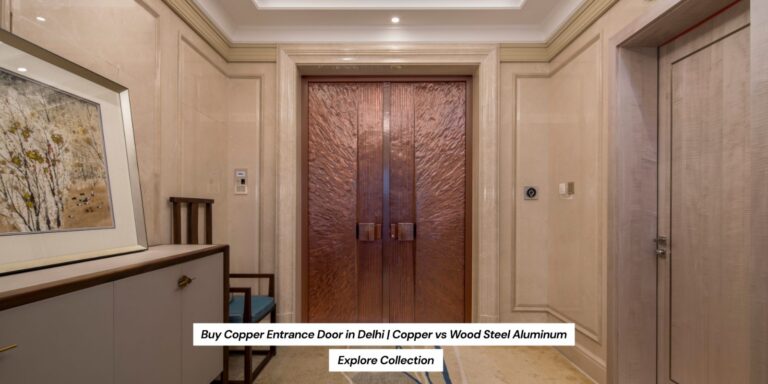
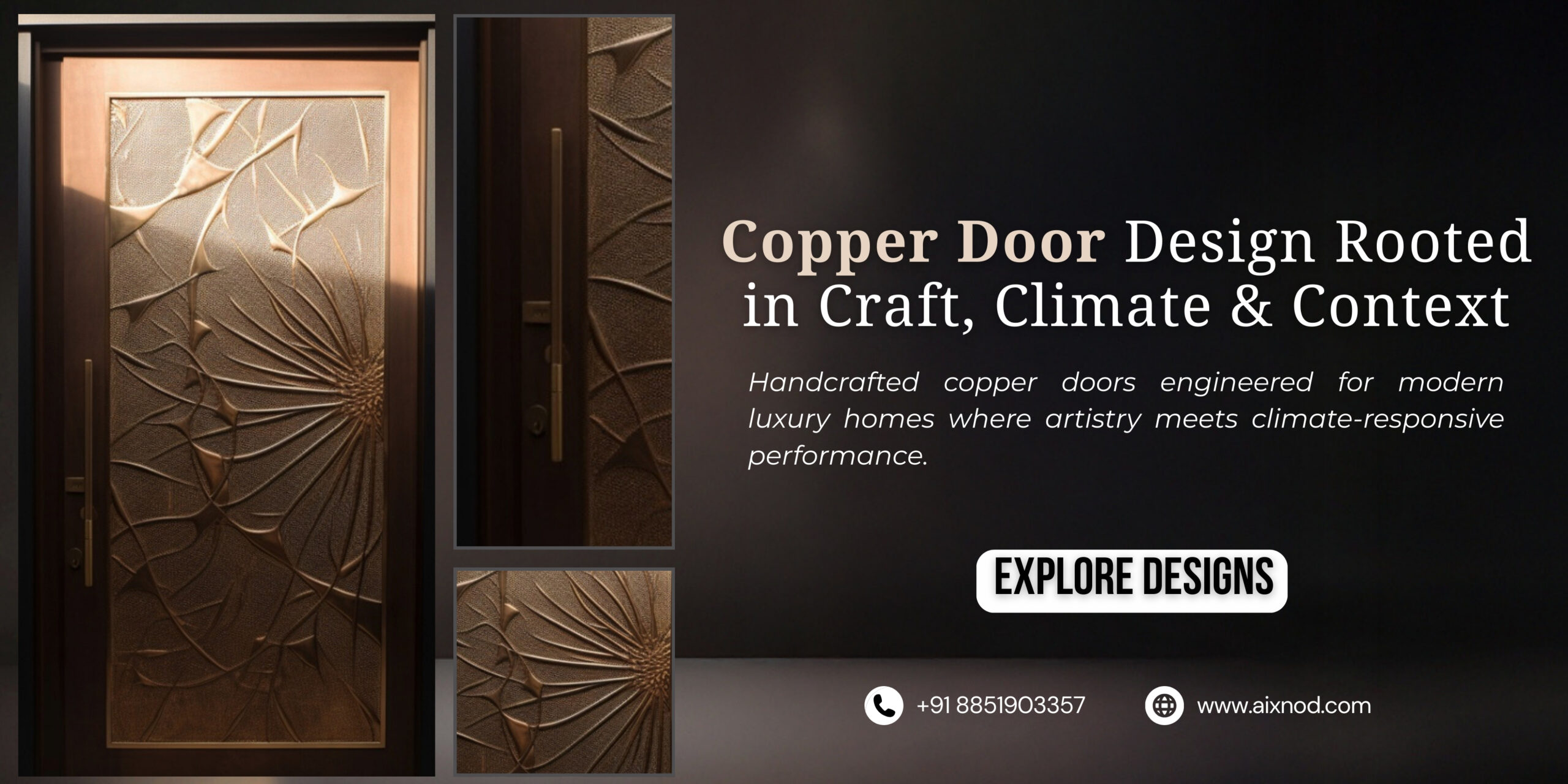
Hand-forming copper sheets and textures
Creating grooves, patterns, and custom surface treatments
Integrating brass or bronze detailing for accents
Structuring internal frameworks for stability and balance
This level of craftsmanship ensures that each door is unique, durable, and aligned with the architectural vision of the space.
Handcrafted metal surfaces also respond beautifully to light, producing subtle reflections and depth throughout the day. This makes copper doors particularly appealing for luxury homes where the entrance is intended to be visually impactful.
Climate-Responsive Copper Door Engineering
While aesthetics remain important, modern homeowners and architects are increasingly concerned about how materials perform in real environments. Climate conditions such as heat, humidity, dust, and sunlight can significantly influence the performance of entrance doors.
This is where the concept of climate-responsive copper door design becomes important.
High-quality copper doors incorporate structural and technical considerations that allow them to perform reliably across seasons. These include:
Reinforced internal frameworks that distribute the weight of heavy metal doors
Premium pivot systems and hinges designed for metal door mass
Protective patina finishes suited for different environmental exposures
Weather-resistant construction that reduces wear from humidity and temperature changes
Because copper naturally resists corrosion and forms a protective patina, it performs particularly well in challenging environments, including hot and humid climates like many parts of India.
When properly engineered, copper entrance doors can remain stable, durable, and visually appealing for decades.
Designing the Entrance as an Architectural Experience
In many contemporary homes, the entrance is now treated as a complete architectural composition rather than a single door element. Designers often extend materials, textures, and forms across the surrounding entrance wall to create a cohesive visual narrative.
Copper doors can be integrated with additional design elements such as:
Side panels and sidelights
Overhead metal bands
Decorative metal wall inserts
Custom house numbers and door hardware
Integrated smart locks and lighting features
These details help create a layered entrance experience where the door becomes the focal point within a broader architectural frame.
Perforated copper or brass panels, for example, can soften direct sunlight while maintaining airflow, while textured metal surfaces produce dynamic shadows as natural light shifts throughout the day.
Through careful composition, the entrance becomes a welcoming architectural threshold rather than just an entry point.
Context-Driven Copper Door Design
Another essential factor influencing modern entrance design is context. Every building exists within a specific environment that shapes how architectural elements should behave and appear.
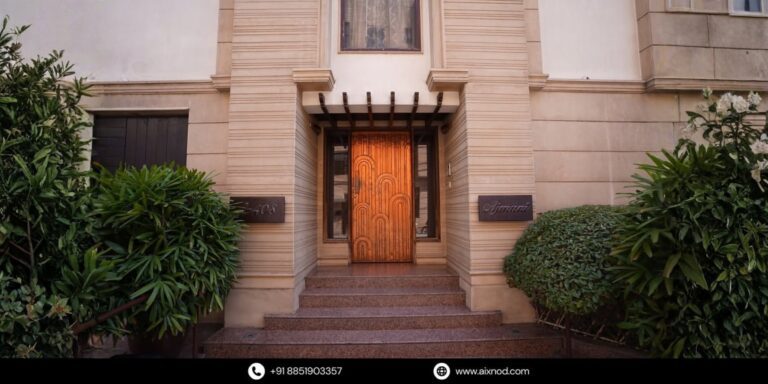
A copper door designed for a narrow urban residence will differ significantly from one created for a countryside villa or heritage-inspired property.
Context-based design decisions may include:
Urban Homes
Compact yet bold copper doors with darker finishes or precise grooves help create distinction within limited corridor spaces.
Luxury Villas and Farmhouses
Larger doors with lighter copper finishes and vertical textures can complement open landscapes and expansive facades.
Heritage-Inspired Residences
Traditional patterns, brass inlays, or geometric metalwork may be incorporated to echo classical or art-deco architectural styles.
By studying site orientation, architectural surroundings, and user interaction with the space, designers can create copper doors that feel naturally connected to their environment rather than visually disconnected.
This contextual approach is central to the philosophy of craft climate and context in copper door design.
Why Aixnod Is a Specialist in Luxury Copper Doors
Within the luxury door industry, specialization and craftsmanship play a crucial role in achieving high-quality results. Aixnod focuses specifically on handcrafted copper, brass, and bronze doors for premium residential and architectural projects.
Each project follows a carefully structured process that typically includes:
Design consultation and concept development
Material selection and structural planning
Artisan metal crafting and detailing
Finishing, patina treatment, and installation preparation
This approach allows every entrance door to be designed as a bespoke architectural element rather than a standard product.
With projects across various environments and building styles, the brand demonstrates how handcrafted metal doors can balance design expression with durability and performance.
The Future of Copper Entrance Doors
As architectural trends continue evolving, entrance doors are becoming more than functional components. They now represent a blend of art, engineering, and environmental awareness.
The philosophy of craft climate and context in copper door design reflects this shift toward thoughtful design where materials, surroundings, and craftsmanship work together.
For homeowners and architects seeking entrances that combine luxury, durability, and architectural impact, copper doors offer a compelling solution.
When designed carefully, a copper entrance door becomes more than just an entry point. It becomes a lasting architectural statement that welcomes visitors while reflecting the character of the home itself.
Frequently Asked Questions
What does craft, climate and context mean in copper door design?
It refers to a design approach where handcrafted artistry, environmental conditions, and architectural surroundings are considered together to create durable and visually harmonious copper doors.
Are copper doors durable for residential entrances?
Yes. Copper is naturally corrosion-resistant and forms a protective patina over time, making it one of the most durable materials for luxury entrance doors.
Why are copper main doors popular in luxury homes?
Copper doors provide a combination of durability, unique aesthetics, and timeless appeal. Their handcrafted surfaces and evolving patina make them ideal for premium architectural designs.
Can copper doors be customized for different architectural styles?
Yes. Copper doors can be tailored to modern, contemporary, or heritage architectural styles through custom patterns, textures, finishes, and structural formats.
How long do handcrafted copper doors last?
High-quality copper doors can last for several decades with minimal maintenance, especially when engineered with strong internal structures and weather-resistant finishes.